
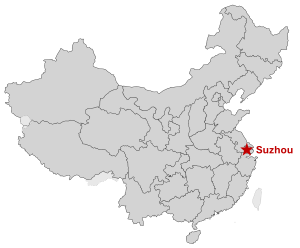
If anyone asks me which city in China you absolutely have to see besides the major metropolises, Suzhou is definitely on the list! I simply love this city! Often underestimated and standing in the shadow of its big neighbor Shanghai, Suzhou is, for me, one of the most versatile cities in the country. Like few other places, Suzhou manages to combine the deep-rooted history of Imperial China with today’s modern, comfortable lifestyle. Known as the “Venice of the East,” Suzhou enchants visitors with its water towns and famous garden complexes, which served as the ultimate model for aesthetics in historical China. To help you make the most of your time in Suzhou, I’ve put together a ready-to-use 3-day travel itinerary. You can follow it exactly or adapt it to your personal preferences. Let’s go!
Planning & Preparation: What You Need to Know
Before we dive into the daily schedule, here are a few important tips for your Suzhou travel itinerary:
Best Time to Travel: Suzhou is worth a visit year-round. It’s most beautiful (but also most popular) in Spring (March–June) and Autumn (September–November). You should avoid midsummer due to the extreme heat and humidity. Another option is traveling in Winter. While it is chilly (approx. 0–10°C), there are significantly fewer tourists than during peak season.
Important Reservation: You should definitely reserve tickets for the famous Humble Administrator’s Garden in advance. It is often completely sold out, especially on weekends and public holidays. For example, you can buy tickets directly through Trip.com (affiliate link).
Arrival: Suzhou does not have its own airport but is very well connected to the rail network through several stations. The largest station is Suzhou North (苏州北站 – Sūzhōu Běizhàn). Many cities in the region offer direct train connections to Suzhou (train riding guide). If you want to fly, you have two options: I recommend flying to Shanghai Hongqiao (SHA), as the airport is directly connected to the train station. From there, a high-speed train takes you to Suzhou in just 30 minutes. Alternatively, you can fly to the small Wuxi Airport (WUX), but you’ll need to take a taxi from there to Suzhou.
Travel Day 1: The Old Town of Suzhou & Garden Art
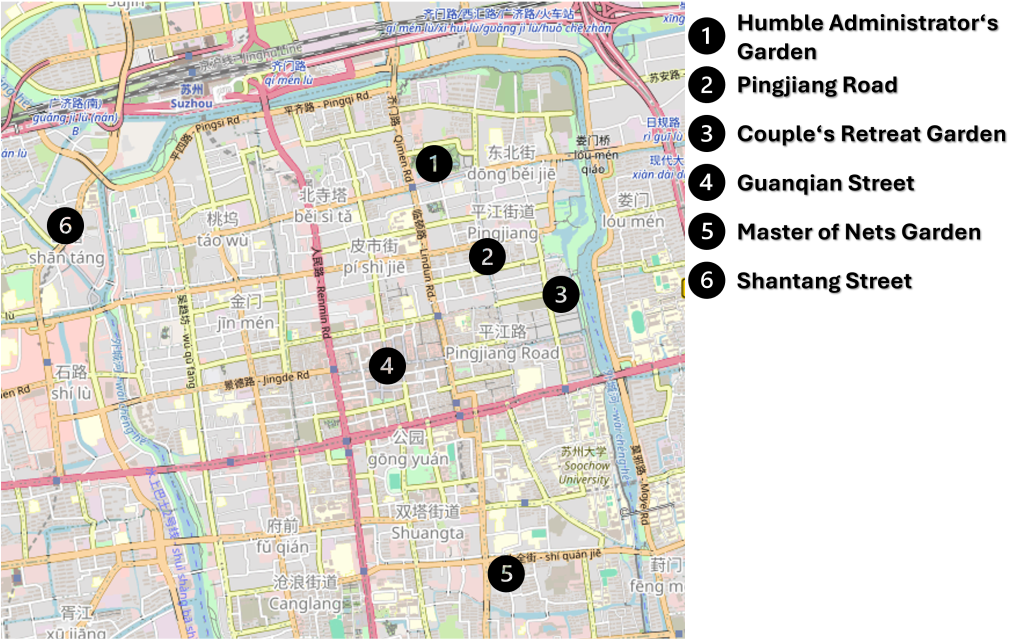
We begin at the Humble Administrator’s Garden (拙政园 – Zhuōzhèng Yuán). It is considered the most magnificent example of garden design from the Ming Dynasty. About three-fifths of the area consists of water. Delicate bridges and corridors connect islands and pavilions into an interplay of stones, plants, and water.
- Getting to Humble Administrator’s Garden: Metro Station Zhuozhengyuan Subo (拙政园苏博).
From the garden, stroll along Pingjiang Road (平江路 – Píngjiāng Lù). It runs directly along the canal and offers a bit of water town flair right in the center of Suzhou. Following Pingjiang Road leads you to the Couples Retreat Garden (耦园 – Ǒu Yuán). This garden is known for its symmetry and reflects the theme of harmony and partnerships – very romantic and a bit quieter than the famous Humble Administrator’s Garden.
For lunch, head to nearby Guanqian Street (观前街 – Guānqián Jiē), a lively shopping street with many restaurants and street food. Afterwards, visit the last garden for today, the Master of Nets Garden (网师园 – Wǎngshī Yuán). It is more compact than the others but perfectly demonstrates how to create harmony between living quarters and nature in a small space.
In the evening, head to Shantang Street (山塘街 – Shāntáng Jiē). As soon as it gets dark and the red lanterns illuminate the canals, this place unfolds a magical atmosphere.
- Getting from Master of Nets Garden to Shantang Street: Take Line 4 from Nanguobeilu and then Line 3 to Shantang Road station.
Travel Day 2: History, Views, and Modern Suzhou
Today we combine the historical city walls with the impressive skyline of modern Suzhou.
We start at Tiger Hill (虎丘 – Hǔqiū). This is home to Suzhou’s famous “Leaning Pagoda.” The hill offers a great view, and the bonsai exhibition on the grounds is absolutely worth seeing. If you like, you can walk back towards Shantang Street and have lunch there.
- Getting to Tiger Hill: Metro Station Tiger Hill (虎丘 – Hǔqiū), Line 6.
Next, we move on to Panmen Gate (盘门 – Pánmén). It is the only surviving city gate in China that controlled both land and waterways. The moat still surrounds the entire old town here – ideal for an extensive walk along the old fortifications.
For contrast, we head to the modern district at Jinji Lake (金鸡湖 – Jīnjī Hú) in the evening. Here you’ll find the gigantic Suzhou Center (苏州中心 – Sūzhōu Zhōngxīn) shopping mall. Look out for the striking skyscraper “Gate to the East,” which locals affectionately call the “Long Underpants.” The view across the glittering lake at night is the perfect conclusion to the day.

Day 3: Time Travel to the Water Town of Zhouzhuang
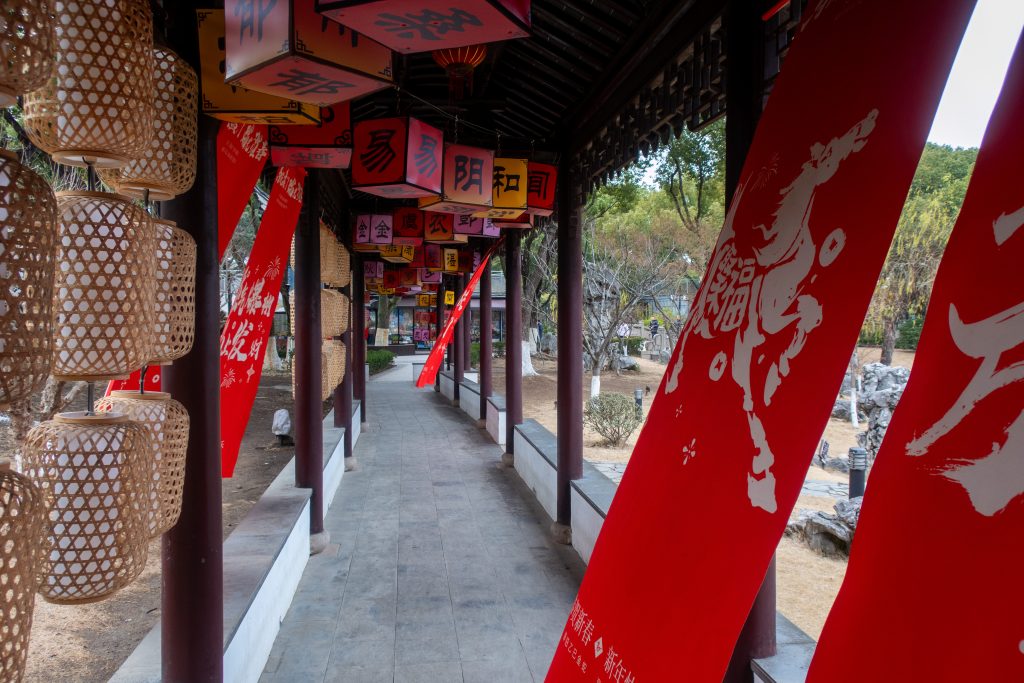
On the final day of our Suzhou travel itinerary, we leave the center and visit arguably the most famous water town in China: Zhouzhuang (周庄 – Zhōuzhuāng).
Time seems to have stood still here. Ancient residences and stone bridges define the landscape. Let yourself drift through the canals by boat and be sure to try the local specialty: Wansan Pork Knuckle.
- Getting there: The easiest way is by taxi (approx. 1 hour from the city center). Alternatively, take Line 4 to the terminus Tongli, and from there it’s about another 30 minutes by taxi.
My Conclusion on Suzhou
In three days, you get a fantastic cross-section of this versatile city. Of course, there is so much more to discover! If you want to dive deeper into the individual spots or are looking for even more inspiration, be sure to check out my detailed article on the Top Activities in Suzhou.
I hope this Suzhou travel itinerary helps you with your next trip to China. Have you ever visited one of the water towns? Feel free to tell me in the comments – I look forward to hearing from you!
2 thoughts on “3 Days in Suzhou – Your Travel Itinerary for the Venice of the East”