

In this article, I want to take you along to some of the best shopping experiences in Beijing. In China, this activity is called 逛街 (guàngjiē), which can be roughly translated as “strolling along the streets.” But shopping malls in Beijing are far more than just buildings filled with stores. They are architectural masterpieces, social hubs, and true sightseeing highlights. In this Beijing Shopping Guide, I’ll show you why the city’s malls are an experience in themselves—especially on days when the weather doesn’t cooperate.
Guomao Shopping Guide: Where Skyline Meets Luxury
The Guomao district is located in the eastern part of the city and serves as Beijing’s central business district. Here, you’ll find the largest and most luxurious shopping malls in the city.
China World Mall (Guómào Shāngchéng, 国贸商城):
China World Mall was the very first shopping center in China, opening in 1990, and remains a top destination for flagship stores to this day. During my time in Beijing, this was my favorite mall. The massive complex is connected underground and via bridges. While the South Complex is known for its premium service and elegant design—housing luxury brands like Hermès, Louis Vuitton, and Chanel—the North Complex focuses on more everyday brands and well-known tech companies. One particularly impressive highlight is the multi-story F.A.O Schwarz toy store, which feels like stepping into a movie set.
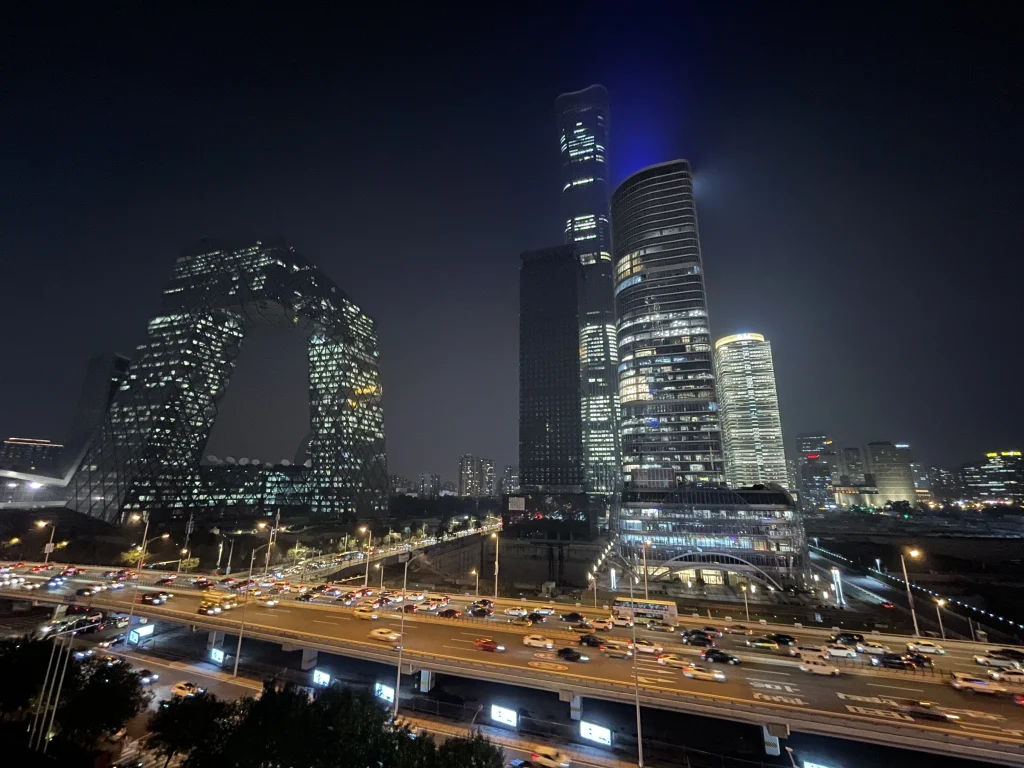
My personal highlight: from the restaurants on the 6th and 7th floors, as well as the freely accessible rooftop terrace, you get one of the best views of the skyline, including the iconic CCTV Tower. The view is especially stunning in the evening when the skyline lights up.
Subway station: Guomao (Line 1 & 10)
Beijing Parkview Green (Běijīng Qiáofú Fāngcǎodì, 北京侨福芳草地):
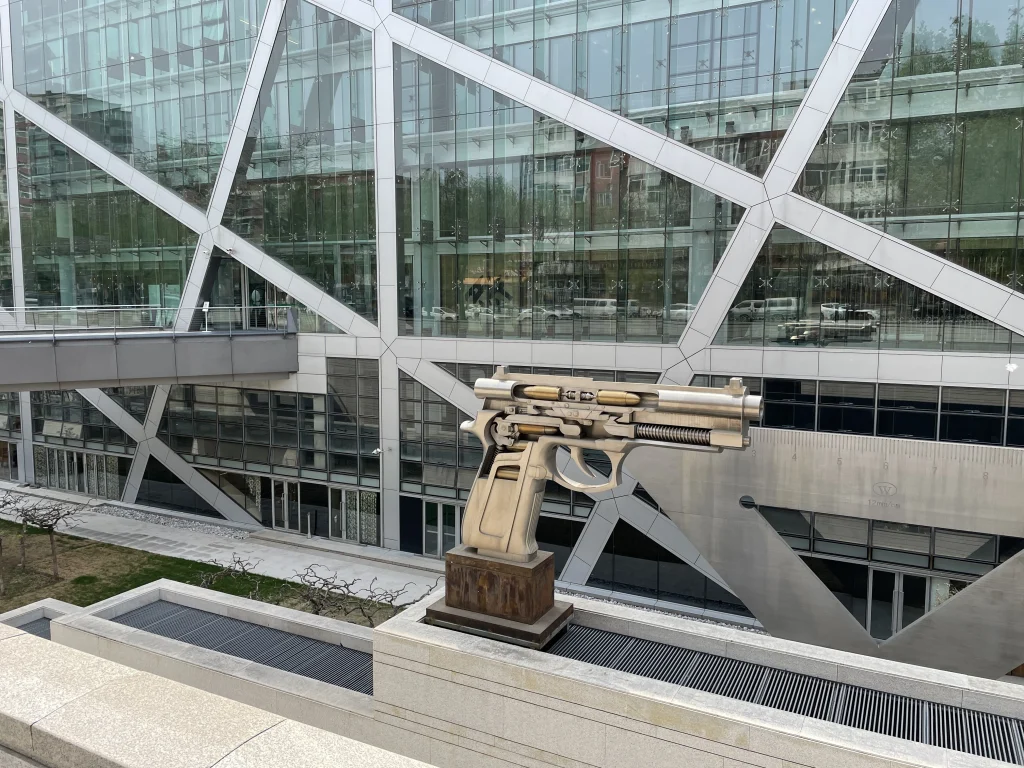
For me, this is the most artistic mall in the city. With its massive glass façade and more than 200 artworks scattered throughout the building—including a floating whale shark in the atrium—a visit feels like stepping into a world of wealth and creativity. Alongside luxury labels, you’ll also find trendy brands like Popmart or Garmin. It’s the place where Beijing’s modern wealth becomes tangible.
Subway station: Dongdaqiao (Line 6 & 17)
THE BOX Super Youth Power Center:
Just nearby, you’ll find THE BOX. This mall represents Beijing’s young, urban culture. It’s a fresh and surprisingly edgy space—something I didn’t expect in Beijing what is often perceived as a more conservative city. Here, everything revolves around trends, pets, and street style. With a skateboard area, a basketball court, and stores for racing bikes or dog accessories, it’s a real hidden gem for a modern crowd.
Beijing SKP & SKP-S:
If there’s one place that defines “luxury” in Beijing, it’s SKP—one of the highest-grossing malls in the world. While the main building (SKP) embodies classic elegance, the opposite SKP-S offers a futuristic experience. Each floor follows a unique artistic theme—from robotic sheep herds at the entrance to Mars-like landscapes. My personal highlight is the food court in the basement, which feels more like a curated design exhibition than a typical dining area. Similar to China World Mall, you’ll find almost every well-known local and international brand here. Whether high-end electronics or luxury fashion—the presentation is simply surreal.
Subway station: Dawanglu (Line 1 & 14)
The Place (Shìmào Tiānjiē, 世贸天阶):
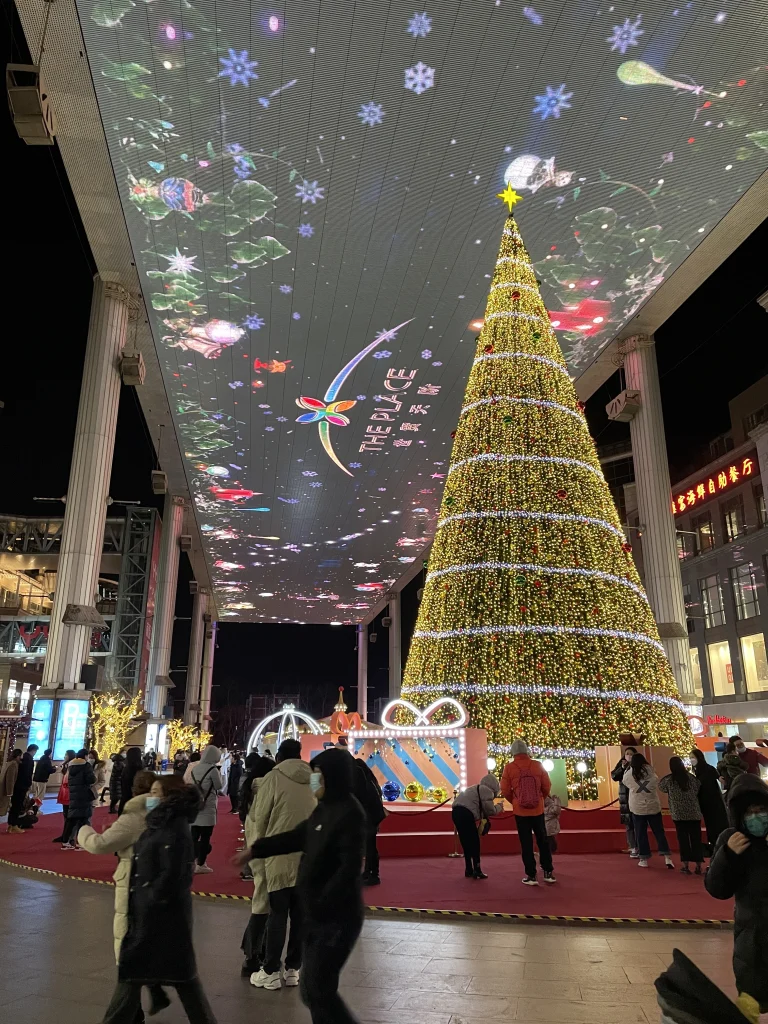
A visual spectacle awaits you at The Place. This mall is famous for its gigantic LED screen that stretches across the outdoor area like a floating roof, regularly displaying impressive animations with matching sound. In my opinion, however, the mall itself feels a bit dated compared to its futuristic neighbors in Guomao and is less spectacular overall. Still, it’s a staple in every Beijing Shopping Guide, especially thanks to its large food court offering plenty of affordable options for a break. You’ll also find reliable classics like Muji, Zara, H&M, and Uniqlo.
Subway station: Jintaixizhao (Line 10) or Dongdaqiao (Line 6 & 17)
Sanlitun: Where Beijing’s Heart Beats for Lifestyle and Trends
If Beijing has a soul for fashion, nightlife, and modern lifestyle, it beats in Sanlitun (Sānlǐtún, 三里屯). Originally known as the embassy district and a hotspot for nightlife with countless bars and clubs, the area has evolved into one of the city’s most vibrant shopping destinations. Expats, local elites, and bold trendsetters all come together here. If you want to know what will be trending in China tomorrow, Sanlitun is the place to be. It’s perfect for people-watching, shopping—and, of course, being seen.
Sanlitun Taikoli (Sānlǐtún Tàigǔlǐ, 三里屯太古里):
In the southern section, you’ll find large flagship stores like the massive Uniqlo and an impressive Adidas store. There’s also an Apple Store here that was the largest in the entire Asia-Pacific region when it opened in 2020. The northern section is noticeably quieter and more exclusive, with major international luxury brands.
Subway station: Gōngrén Tǐyùchǎng (Line 3)
Solana (Lánguǎnguǎngchǎng, 蓝色港湾):
If you’re looking for a more relaxed atmosphere, head to Solana. This European-style mall is located right by the Liangma River (Liàngmǎ Hé, 亮马河), whose riverside promenade is beautifully designed. It’s perfect for a walk that ends in one of the many cafés within Solana.
Subway station: Zaoying (Line 14)
Background Check: What Is “Experience Consumption”?
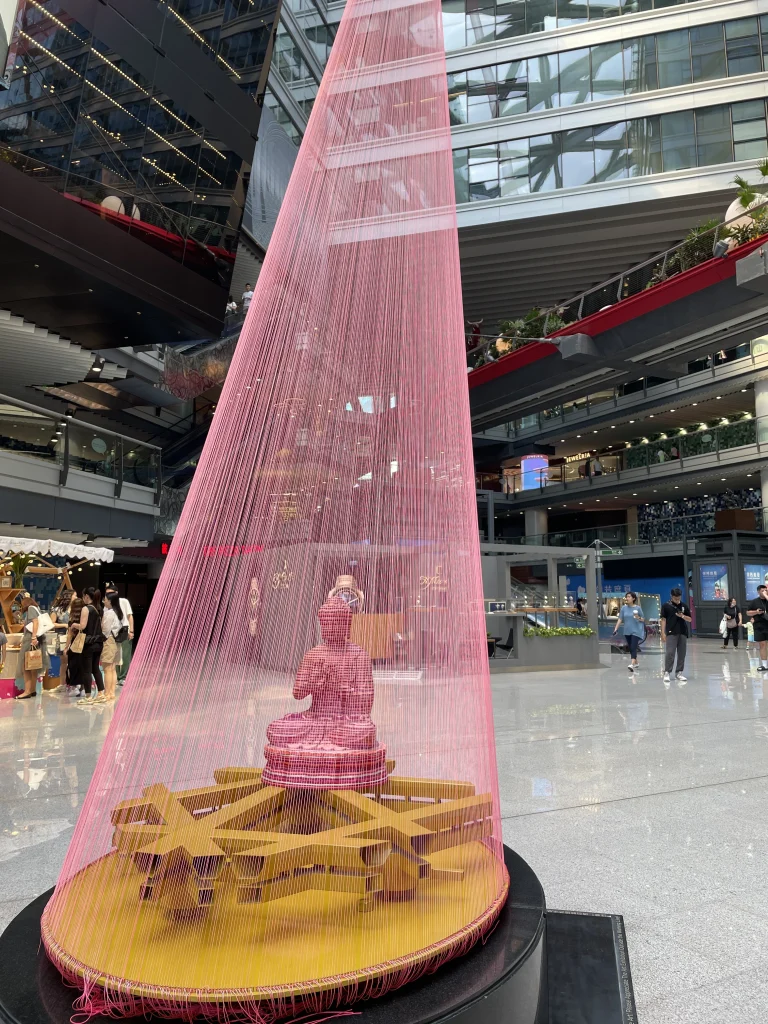
Why do shopping malls in Beijing invest so heavily in LED screens and art installations? In China, this concept is called 体验式消费 (Tǐyànshì Xiāofèi)—literally “experience consumption.” Because online shopping via apps like Taobao is incredibly efficient, people no longer visit malls just to buy a T-shirt. Shopping centers had to reinvent themselves to survive. Today, they are social spaces designed for people to “check in.” A key term here is 打卡 (Dǎkǎ). A place in China is only truly successful if it’s photogenic enough for a selfie and a social media check-in. Every escalator and every art installation in these malls is designed for that exact moment—a fascinating blend of modern marketing and real lifestyle.
Tradition, History, and Shopping in the Heart of Beijing
Historic Beijing also has its place in this Beijing Shopping Guide.
Wangfujing (Wángfǔjǐng Dàjiē, 王府井大街):
Beijing’s most famous shopping street has a history spanning centuries. Here, one mall and shop follows another. You’ll also find the Beijing apm Mall, which focuses on K-beauty and young tech trends. Still, during my time in Beijing, Wangfujing never became a favorite. The street feels caught between worlds—it has lost much of its historical charm while also lacking the modern glamour of malls in Guomao or Sanlitun.
Subway station: Wangfujing (Line 1 & 8)
Qianmen (Qiánmén Dàjiē, 前门大街):
Qianmen Street lies along the city’s historic central axis. From the grand Zhengyang Gate in the north to Zhushikou in the south, it once served as the imperial route for ceremonies and patrols. Unlike Wangfujing, Qianmen has retained much of its historical charm. The grey brick façades in Ming and Qing dynasty style house long-established Chinese brands.
My tip: make sure to explore the small side alleys! That’s where you’ll find authentic Beijing, with cozy cafés nestled between historic residential buildings. In the evening, when the red lanterns light up, the atmosphere becomes truly magical.
Subway station: Qiánmén (Line 2)
Hidden Gems: Your Guide to Antiques and Art in Beijing
Beyond the classic malls, this Beijing Shopping Guide also includes two cultural highlights:
Panjiayuan Antique Market (Pānjiāyuán Gǔwán Shìchǎng, 潘家园古玩市场):
A large market for handicrafts and antiques. From old furniture and revolutionary-era posters to historical books, coins, watches, and artworks—you’ll find just about everything here. Perfect for unique souvenirs you won’t find online.
Subway station: Panjiayuan (Line 10)
798 Art District (798 Yìshùqū, 798艺术区):
Located in a former East German factory complex, this area features galleries, studios, and stylish design shops surrounded by Bauhaus-style street art.
My Conclusion on Shopping in Beijing
I hope this Beijing Shopping Guide helps you discover these fascinating malls and experience China’s modern lifestyle for yourself. For me, these places are the perfect alternative on rainy days. I loved spending afternoons wandering through the art installations of Parkview Green or SKP, or simply enjoying a coffee at China World Mall while watching the rhythm of the business world.
If you also want to explore historic Beijing beyond its shopping malls, I’ve put together another article with the best sightseeing spots in Beijing.
So, what’s your favorite? Do you prefer the historical charm of Qianmen or the futuristic worlds of SKP? Let me know in the comments—I’d love to hear your thoughts and connect with you!
1 thought on “Beijing Shopping Guide: The Best Malls in Beijing”